Home remodels are projects full of potential to enhance living spaces, but they also produce a lot of debris. Renovation scraps like old flooring, cabinets, and drywall can build up unexpectedly fast. Without a clear waste management plan, remodels can quickly feel chaotic and overwhelming. Accumulated waste can obstruct work, increase risk, and disrupt workflow. Organized disposal ensures smoother and safer renovations. A well-planned waste management keeps the renovation process efficient.
At Sullivan's Dumpster Rental, we know that effective remodels require both skill and organization. Waste management plays a critical role in maintaining order throughout the project. When debris is handled properly, remodel timelines run smoother. Tidiness supports steady workflow and productivity. Proper cleanup ensures safety for workers and protects the property. Planning ahead allows remodels to stay productive and efficient.
Identifying Waste Produced in Renovations
Home remodels produce different types of debris based on renovation tasks. Typical waste includes removed fixtures, leftover materials, and packaging. Each phase of a remodel can produce different types of waste, often in large quantities. Being aware of the waste types allows for better planning. When waste types are anticipated, removal becomes more organized. This awareness reduces surprises and maintains workflow.
Understanding the types of renovation waste also helps maintain a safe workspace. Some materials are large and cumbersome, while others are smaller but numerous. Improper handling complicates cleanup. Identifying waste categories simplifies cleanup and organization. This preparation keeps the project on schedule. Efficient waste awareness keeps remodels on track.
Why Proper Waste Management Matters During Construction
Proper waste management is key to organized renovations. Scattered materials pose safety risks and hinder workflow. Clear pathways allow workers to move materials and tools efficiently. A neat environment safeguards completed areas. When waste is managed properly, the entire project feels more controlled, the site remains safe and functional.
Effective waste handling also keeps the worksite structured. When debris has assigned disposal areas, it is easier to manage. This organization reduces interruptions and wasted time. Workers can complete tasks efficiently without distractions. Homeowners benefit from seeing steady progress without constant mess. Proper waste management ensures orderly progress.
Scheduling Waste Disposal
Planning ahead is key to organized cleanup. Before demolition begins, it helps to consider how debris will be handled from day one. A clear waste removal plan prevents piles from building up in living areas. Anticipating waste volume supports better timing and organization. Preparation keeps the renovation controlled and manageable. A planned strategy ensures smoother workflow.
A waste plan should match the renovation schedule. As different stages generate varied debris, removal strategies can be adjusted accordingly. This flexibility prevents bottlenecks. Planning also helps maintain order throughout. When waste management is considered from the start, it integrates seamlessly, remodels benefit from structure and foresight.
Centralized Disposal for Remodel Waste
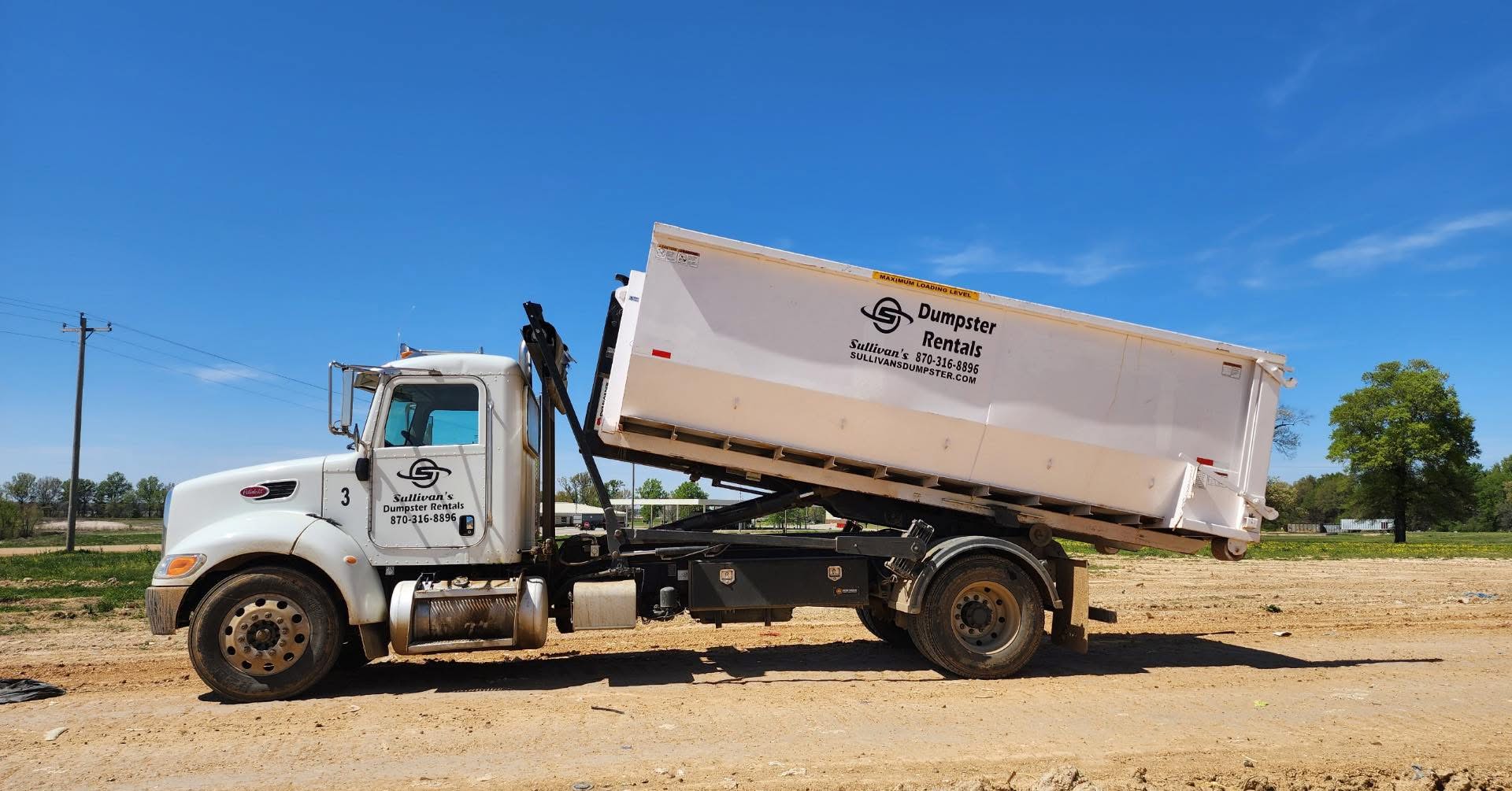
Centralized waste solutions make cleanup easier by collecting all waste together. Instead of leaving materials scattered, debris can be collected and removed efficiently. Sullivan's Dumpster Rental offers dumpsters designed for easy and safe disposal. Centralized disposal reduces the need for repeated handling of materials. This efficiency helps workers focus on construction tasks. A single disposal point keeps work areas clearer and safer.
Centralized waste management also improves overall organization. Workers know exactly where to place debris, which reduces confusion. This clarity supports a safer, more productive environment. It also avoids obstruction of ongoing work. Centralized solutions help maintain momentum. Remodels benefit from clear, organized workspaces.
Maintaining a Clean and Safe Work Environment
Cleanliness during a remodel is more than aesthetics—it ensures safety and smooth workflow. Cluttered work areas slow down tasks and increase risks. Frequent cleanup keeps spaces clear and functional. This allows tools and materials to be moved without obstruction. A clean environment enhances workflow and teamwork. Safety risks are reduced when clutter is minimized.
Maintaining cleanliness also safeguards finished spaces from contamination. Without containment, debris can disrupt daily living. Structured cleanup maintains a functional worksite. This is critical for homes that are still lived in during website renovations. A clean worksite helps occupants feel safe and organized. With support from Sullivan's Dumpster Rental, ongoing attention to waste keeps the project manageable.
Maintaining Project Timelines Through Cleanup
Efficient waste disposal plays a key role in keeping remodels on schedule. When debris removal is delayed, progress can slow significantly. Organized removal keeps tasks moving smoothly. This efficiency supports steady momentum throughout the project. Time spent managing clutter is time taken away from construction. Organized waste management allows smooth workflow.
Consistent waste handling also prevents bottlenecks during busy phases. Multiple phases produce waste that needs prompt removal. Efficient disposal ensures that work areas remain usable. This balance helps avoid delays between tasks. When waste is handled promptly, timelines remain reliable. Remodels benefit from fewer unexpected delays.
Stress-Free Remodels With Proper Waste Management
Home remodels can be overwhelming if debris accumulates. Organized disposal minimizes frustration. Tidy workspaces support focus and morale. Structured cleanup provides stability in hectic projects. When debris is managed properly, progress is easier to track. This enhances satisfaction with the remodel.
Reducing stress also helps homeowners stay engaged and confident in the project. When waste is managed efficiently, energy can focus on construction. A cleaner environment enhances coordination with the remodeling team. It also prevents interruptions due to debris. Thoughtful waste management creates a better renovation experience. Tidy work zones help decision-making.
Supporting Successful Remodels From Start to Finish
Successful remodels rely on coordination, planning, and efficient waste handling. Every phase of the project benefits from a clear disposal strategy. Structured cleanup maintains pace and order. It helps keep workspaces functional and adaptable. When debris is handled efficiently, work runs smoothly. This consistency improves outcomes.
Sullivan's Dumpster Rental is focused on providing effective debris removal solutions. By providing dependable dumpsters, remodels remain on schedule, projects experience fewer disruptions. Efficient disposal keeps construction on track. Homes remain safer and more functional throughout the process. Waste management becomes an essential part of the remodeling workflow. This support helps remodels reach their full potential.
Comments on “A Complete Guide to Managing Remodeling Waste”